

Anodizing
Electrolytic conversion of aluminum surfaces into a hard, integrated protective oxide that will never peel or wear through.
Process Overview
By definition, anodizing is a process to coat a metallic surface electrolytically with a protective or decorative oxide. An integrated coating of aluminum oxide is grown directly from the aluminum substrate by passing an electrical current through an acid electrolyte bath in which the aluminum is immersed.
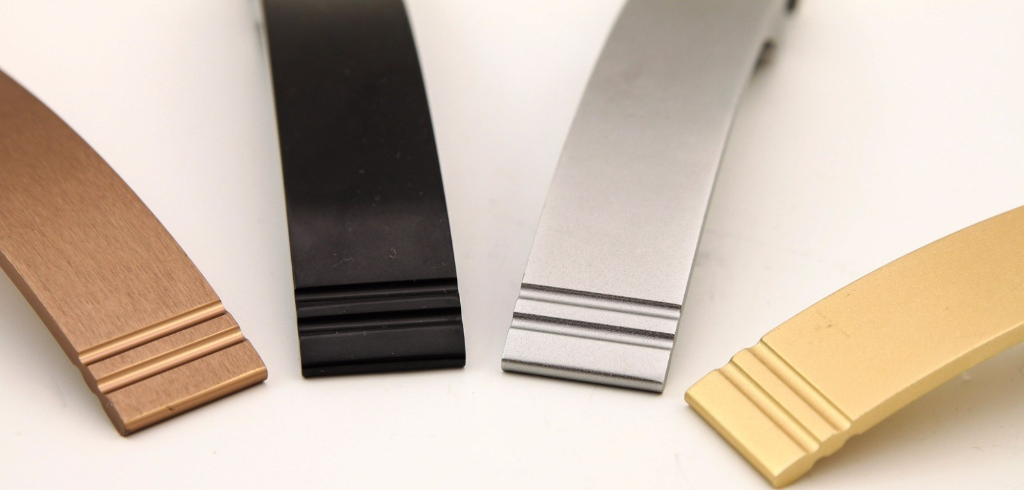
The coating thickness and surface characteristics are tightly controlled to meet strict end product specifications. Unlike most other finishes, anodizing preserves the natural luster, texture, and beauty of the metal itself. The anodized coating is hard, durable, will never peel, and under normal conditions, will never wear through.
Applications & Suitable Objects
- Architectural aluminum curtain walls, window extrusions & louvers
- Electronic chassis, heat sinks & precision enclosures
- Automotive and marine aluminum components
- High-spec consumer goods and industrial trim
Finishing Characteristics & Benefits
Molecularly Bonded Layer
Grown directly from the base aluminum—cannot chip, flake, or peel.
Preserves Natural Metallic Texture
Showcases authentic brushed or satin aluminum grain.
Exceptional Hardness & Wear
Diamond-hard aluminum oxide resists continuous abrasion.
Tight Dimensional Control
Controlled micron thickness meets strict engineering tolerances.